The power of precision
For every cancer patient
Today
About us
It is our mission to improve patients' outcomes by establishing individualized drug sensitivity profiling as routine practice in oncology, so that all treatment decisions are supported by a personal test.
To this aim, we develop products for individualized therapy selection, and bring them through the regulatory and reimbursement pathways to make them available to healthcare professionals and their patients all over the world.
Technology
3D Functional Precision Medicine
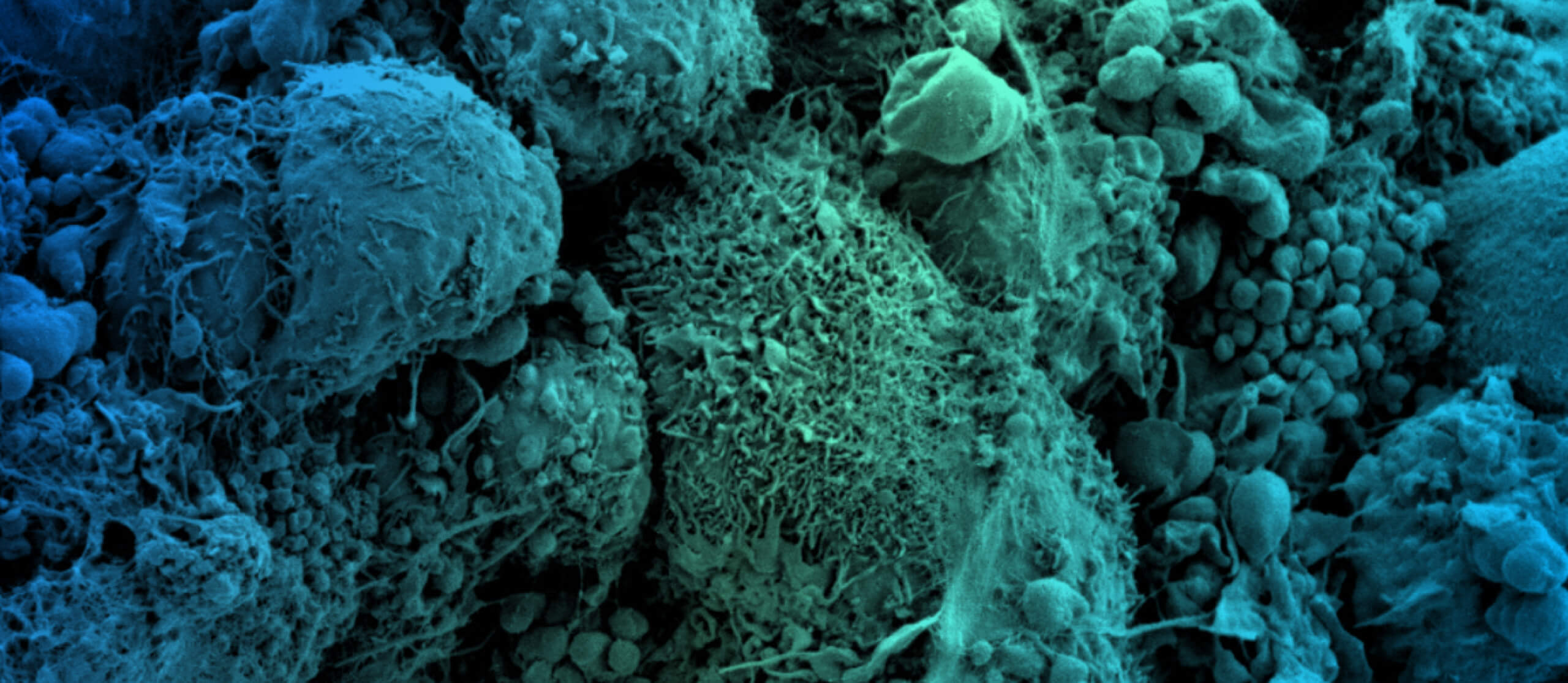
3D Functional Precision Medicine is an innovative approach to personalized medicine that utilizes 3D cell culture technologies to create more realistic and complex models of diseases. These models mimic the tumor microenvironment, allowing for more accurate drug testing and treatment planning.
The technology involves culturing patient-derived cancer cells with other types of cells to better replicate the complexity of the human body, which is crucial for understanding tumor behavior and drug response. This method improve treatment outcomes by providing a more accurate representation of how a patient might respond to a new treatment.
Science
Biopsy from the patient
A tissue sample is collected from the patient's tumor.
The IndiTreat® test is performed in the hospital lab
Patient-derived cancer cells are cultured as 3D microtumors.
Report of the patient's drug response is sent to the doctor
Drug sensitivity data is analyzed and compiled into a report.
The patient is given the most efficacious treatment
The doctor selects the optimal therapy based on the results.
2cureX's IndiTreat® technology is built on the principle of accepting the biological complexity of the individual patient and through non-destructive imaging of 3D microtumors (tumoroids) from the patient to find the most effective treatment for the individual patient.
The concept is straightforward. Starting from a biopsy of the patient's tumor, we can grow 3D-biological replicas in the laboratory and use them to evaluate the impact of individual drugs and complex combination therapies (doublets and triplets) for which no biomarkers exist. For the first time, doctors can obtain information that indicates the way in which a patient's tumor can respond to different chemotherapy backbones.
Publications
Below is a list of our relevant publications
- Precision medicine applied to metastatic colorectal cancer using tumor-derived organoids and in-vitro sensitivity testing: a phase 2, single-center, open-label, and non-comparative study
- Short-term spheroid culture of primary colorectal cancer cells as an in vitro model for personalizing cancer medicine
- Characterization of genetic intratumor heterogeneity in colorectal cancer and matching patient-derived spheroid cultures
- Patient-derived tumor organoids highlight the potential of precision medicine in managing pancreatic ductal adenocarcinoma
- The cancer angiogenesis co-culture assay: In vitro quantification of the angiogenic potential of tumoroids
The importance of IVDR certification
The In Vitro Diagnostic Regulation (IVDR) 2017/746 (EU 2017/746) is crucial for enhancing patient safety, improving diagnostic accuracy, and ensuring high-quality standards for medical tests (e.g., blood tests, cancer diagnostics) in the EU. It strengthens regulations, requiring stricter clinical evidence, better traceability, and improved post-market surveillance.
Key Reasons Why IVDR is Important:
Improved Patient Safety & Reliability
IVDR ensures that diagnostic tests are safe and effective, reducing the risk of faulty devices entering the market.
Stricter Risk Classification
Unlike the previous directive (IVDD), IVDR uses a risk-based approach, ensuring that higher-risk, more critical diagnostic devices undergo more rigorous scrutiny.
Enhanced Transparency & Traceability
The regulation mandates the use of a Unique Device Identification (UDI) system, allowing for improved tracking of devices across the supply chain, facilitating quicker recalls if necessary.
Strengthened Performance Requirements
Manufacturers must provide robust, real-world clinical evidence and conduct continuous post-market surveillance (PMS) to monitor device safety.
Improved Oversight
The role of Notified Bodies is strengthened, ensuring thorough, independent reviews of IVD products.
The Team
The management group
Ole Thastrup
CEO, Founder and Board member
Grith Hagel
VP Innovation, Co-Founder and Board member
Kenneth Graabek Johansen
CFO
Jacob Thastrup
CTO
Rosita Kaae
BD Director
Manuel Fernández
QA/RA Director
The board of directors
Ole Thastrup
CEO, Founder and Board member
Grith Hagel
VP Innovation, Co-Founder and Board member
Tonni Bülow-Nielsen
Chairman
Patrick Aisher
Board member, Kinled Holding
The scientific advisory board
Dr. John L. Marshall
Dr. Jesus Garcia-Foncillas
Dr. Andrew Beggs
Contact us
Get in touch with us. We'd love to hear from you.